Last updated:
Curacao Weather by Month
Understanding Curacao weather helps you pack right and plan activities. The island sits south of the hurricane belt. This location keeps it safe from major tropical storms year-round. Curacao weather remains warm throughout the year with consistent temperatures.
January through June brings the dry season. These months receive the least rainfall. Temperatures stay around 28.5°C, making days hot and nights cool. Trade winds blow steadily, keeping humidity comfortable. July through October sees more rain, particularly in September and October. November and December transition between seasons with moderate rainfall.
January averages 27°C with nearly no rain. February matches January's pattern with pleasant conditions. March stays dry with occasional afternoon showers. April marks the warm season's peak but remains mostly dry. May begins transitioning with slightly more rain possible. June still offers good weather before the rainy season intensifies.
July through October bring afternoon thunderstorms. These storms pass quickly but create wet conditions. August and September receive the most rainfall. October marks the rainy season's end. November brings decreasing rain and rising temperatures. December offers improving conditions as the dry season approaches.
Peak Season in Curacao

Peak season runs from January through March. These months offer the best Curacao weather for beach days. Rainfall drops to almost zero during this period. Temperatures hover between 26°C and 28°C. Trade winds keep humidity low and conditions pleasant.
January attracts visitors escaping northern winters. Hotels fill quickly, and prices rise accordingly. The beaches stay uncrowded during weekdays but busier on weekends. Willemstad, the capital, hosts New Year celebrations into the second week. Historic architecture and colorful buildings draw photographers and history lovers.
February continues the dry, sunny pattern. Carnival season approaches with cultural events throughout the island. Parades, music, and traditional celebrations fill the streets. This makes February exciting for travelers interested in local culture. Diving conditions remain excellent with calm waters and great visibility.
March marks the final month of ideal weather. Easter holidays bring families to the island. Some travelers book early to secure accommodations. Sunny days guarantee beach time and water activities. April extends peak season with only slightly warmer temperatures and rare showers.
PRO TIP: Book accommodations two to three months ahead for January and February travel. Peak season fills quickly, and prices increase significantly during these months.
Shoulder Season: Best Value
May and June offer excellent value during shoulder season. Weather remains mostly dry with occasional afternoon showers. Temperatures climb slightly but stay comfortable. Crowds thin out, and hotel rates drop significantly. These months provide the best balance of good weather and lower prices.
May brings warmer days around 29°C. Rain becomes more common but still limited. Most showers fall in late afternoons and pass quickly. Mornings stay dry, perfect for beach and diving trips. The water temperature rises, making swimming even more enjoyable.
June transitions toward rainy season but maintains mostly sunny days. Occasional storms bring dramatic skies and exciting ocean conditions. Surfers enjoy slightly larger swells. Diving visibility remains excellent between rain events. Humidity increases noticeably but trade winds provide relief.
Accommodation prices drop 20 to 30 percent from peak season rates. food-Restaurants offer special deals to attract visitors. Tour operators have more availability for snorkeling, diving, and island excursions. Families appreciate the lower costs without sacrificing good weather. Solo travelers find plenty of activities and friendly tourism infrastructure.
PRO TIP: Visit in early May for the best shoulder season weather. Late May and June increase rain chances but still offer wonderful conditions and great prices.
Rainy Season in Curacao

Rainy season spans July through October. September and October receive the most precipitation. Despite the name, rain typically falls in brief afternoon showers. Mornings usually stay dry and sunny. The island rarely experiences all-day rain events.
July starts the rainy season with occasional showers. Afternoon thunderstorms develop most days. These storms pass within one to two hours. Temperatures reach 29 to 30°C, making mornings the best time for activities. Humidity rises noticeably during this period.
August continues the pattern with daily afternoon chances of rain. September becomes wetter with more frequent showers. October transitions out of rainy season with decreasing rain. These months offer excellent value for budget travelers. Flights and hotels cost significantly less than peak season.
Despite more rain, outdoor activities continue year-round. Diving remains excellent during rainy season. Rain doesn't affect underwater visibility or water temperature. The ocean stays warm around 28°C. Snorkeling, boating, and land tours operate normally. Indoor attractions include museums and shopping in Willemstad.
Best Time To Visit Curacao for Families
January through March works best for families. Dry weather means reliable beach days. Children enjoy guaranteed sunshine and calm waters. School holidays in many countries align with peak season. However, crowds and prices increase significantly.
April and May offer family-friendly conditions with fewer crowds. School breaks in some regions occur during these months. Afternoon showers rarely disrupt full-day plans. Beaches remain accessible and less crowded than peak season. Water temperatures reach pleasant levels for young swimmers.
Family-friendly beaches include Mambo Beach and Blue Bay. Both have calm waters, shade structures, and nearby restaurants. Access roads handle family car rentals easily. Rental car companies operate from the airport. Many families prefer self-driving to explore multiple beaches daily.
Sunland Aquatic Park provides water slides and shallow pools for young children. The facility operates year-round with reasonable admission prices. Ostrich Farm near Willemstad offers unique animal interactions. Children enjoy feeding and petting various animals. Activities take approximately two hours and suit all ages.
Snorkeling trips work well for families with children eight and older. Protected bay areas offer shallow snorkeling with excellent visibility. Rental shops provide child-sized equipment. Guides monitor children carefully throughout activities. Mornings feature the calmest water conditions.
Best Time To Visit Curacao for Diving
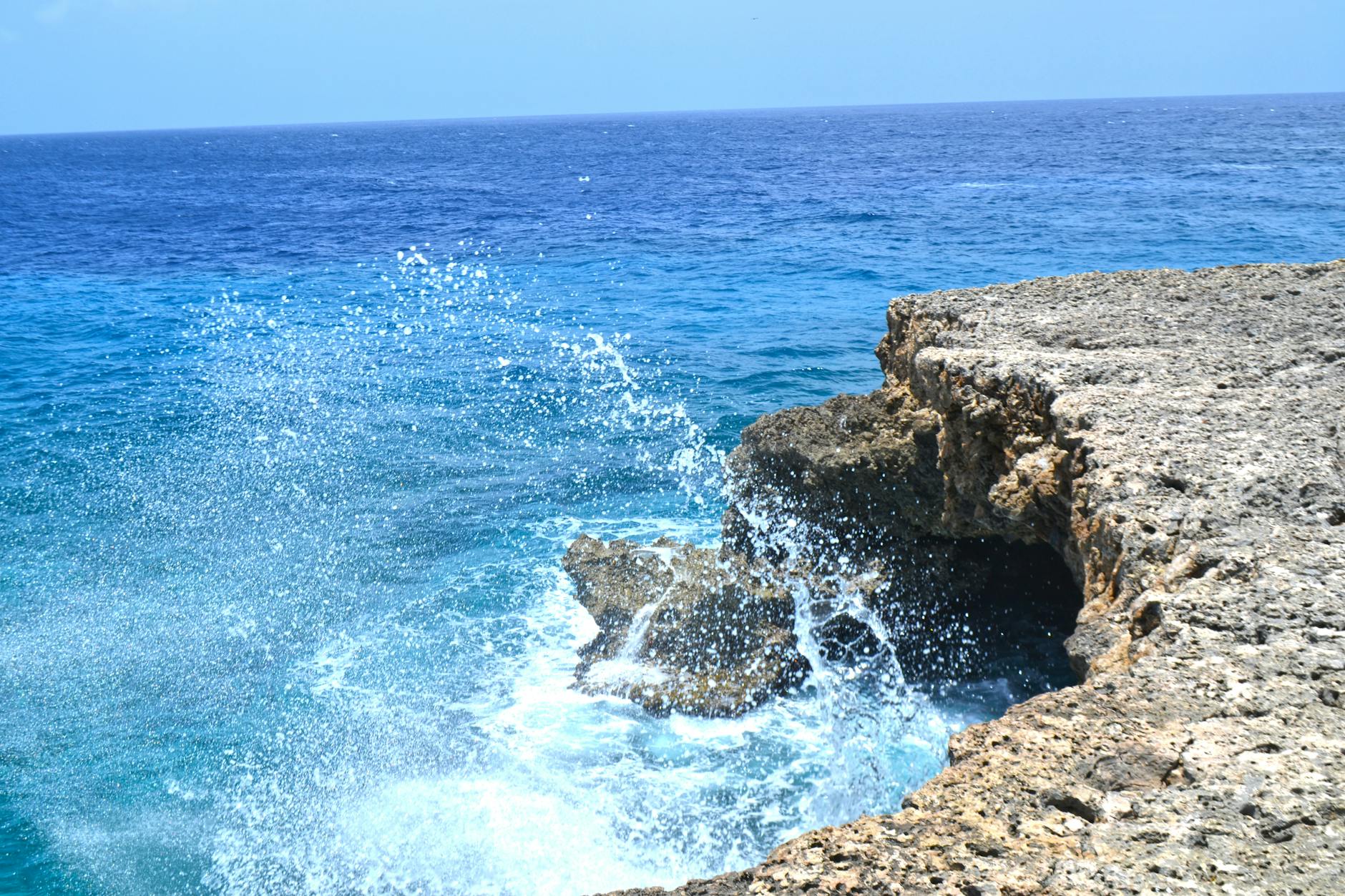
Year-round diving makes Curacao exceptional. Water temperatures stay between 26 and 29°C. Visibility exceeds 30 meters most days. Rainy season actually produces excellent diving conditions. Afternoon showers don't affect underwater visibility.
January through June offers the calmest water conditions. Trade winds blow consistently, keeping most bays protected. Visibility reaches maximum levels during these months. Beginner divers prefer calmer water. Advanced divers tackle deeper reefs during these months.
Accessibility makes Curacao unique for diving. Shore dives provide excellent reef access. Most sites sit within 50 meters of shore. Divers walk directly from beaches to dive sites. This eliminates boat costs and makes diving very affordable compared to other Caribbean destinations.
Famous dive sites include House Reef, Sunken Jetty, and Mushroom Forest. Each site features unique coral formations and marine life. Angelfish, parrotfish, and moray eels inhabit these reefs. Sea turtles appear frequently, particularly near shallow bays. Macro photography opportunities attract serious underwater photographers.
Dive shops operate throughout Willemstad and resort areas. Equipment rental costs range reasonably. Certification courses start daily. Dive masters speak English fluently. Full day diving packages include multiple dives with lunch.
Frequently Asked Questions
What Is the Hottest Month in Curacao?
September and October represent the hottest months, reaching approximately 30°C. These months also bring the highest rainfall during rainy season. Humidity increases noticeably, but trade winds provide cooling relief. Water temperatures peak at their warmest during these months, exceeding 29°C. Most visitors prefer the slightly cooler temperatures of peak season months.
Does Curacao Ever Experience Hurricanes or Tropical Storms?
Curacao rarely experiences hurricanes or tropical storms. The island sits south of the traditional hurricane belt. This geographic position provides natural protection from major weather systems. Rainy season brings afternoon thunderstorms, not tropical systems. Travelers can visit year-round without hurricane concerns. This safety factor makes Curacao reliable for vacation planning compared to northern Caribbean destinations.
What Should I Pack for Curacao Weather?
Pack lightweight, breathable clothing for warm temperatures. Bring sunscreen with high SPF protection. A light rain jacket works for rainy season visits. Swimwear, cover-ups, and water shoes suit beach activities. Comfortable walking shoes handle city exploration. Sunglasses and a hat provide sun protection. Reef-safe sunscreen protects marine life while protecting your skin. Modest clothing respects local culture at restaurants and religious sites.
Is Curacao Weather Unpredictable or Reliable for Planning?
Curacao weather proves quite reliable and predictable. Peak season guarantees dry, sunny conditions. Rainy season showers fall briefly in afternoons, leaving mornings clear. The island stays warm year-round with stable temperatures. This predictability makes vacation planning easier than many Caribbean destinations. You can confidently book outdoor activities months in advance during peak season without weather concerns.
When Is the Absolute Best Time To Visit Curacao?
January through March offer the absolute best weather and conditions. These months guarantee sunny days, low rainfall, and comfortable temperatures around 27 to 28°C. Trade winds keep humidity manageable. However, crowds increase and prices rise significantly. For budget travelers, May and June provide excellent weather with lower prices and smaller crowds. Your choice depends on whether you prioritize perfect weather or better value and fewer tourists.