
Last updated:
Local Food in Curacao You Must Try
Curacao has a unique food culture that blends African, Dutch, Caribbean, and Latin American influences. The island sits in the southern Caribbean, and this location shapes every dish. You will taste history in every bite when you eat local Curacao restaurants and street vendors.
Keshi Yena is the national dish of Curacao. Locals stuff a whole cheese wheel with meat, vegetables, and spices. They bake it until golden and serve it sliced. The dish originated from Dutch settlers but evolved into something uniquely Curacao. Foodies find this dish essential to their island experience.
Funchi is a cornmeal side dish that appears on most tables. It resembles polenta and pairs with fish or stews. Locals have eaten funchi for generations. The simple ingredient list belies its comforting, satisfying taste. Street vendors sell funchi by the portion, and restaurants serve it daily.
Goat Stew (Stoba di Chiva) uses tender goat meat cooked slowly with tomatoes and spices. The recipe has been in families for decades. Restaurants serve it at lunch, and locals order it for special occasions. The rich flavors develop over hours of cooking.
Seafood Specialties dominate Curacao restaurants because fishing is central to island life. Fresh red snapper, grouper, and mahi-mahi appear daily on menus. Restaurants grill fish simply with lemon and garlic. Seafood ceviche combines fresh fish with lime juice, onions, and cilantro.
Pastechis are savory pastries filled with meat, cheese, or seafood. These golden, fried dough pockets are street food staples. Vendors sell them from carts throughout Willemstad. Tourists and locals alike grab pastechis for quick meals.
Best Restaurants in Curacao
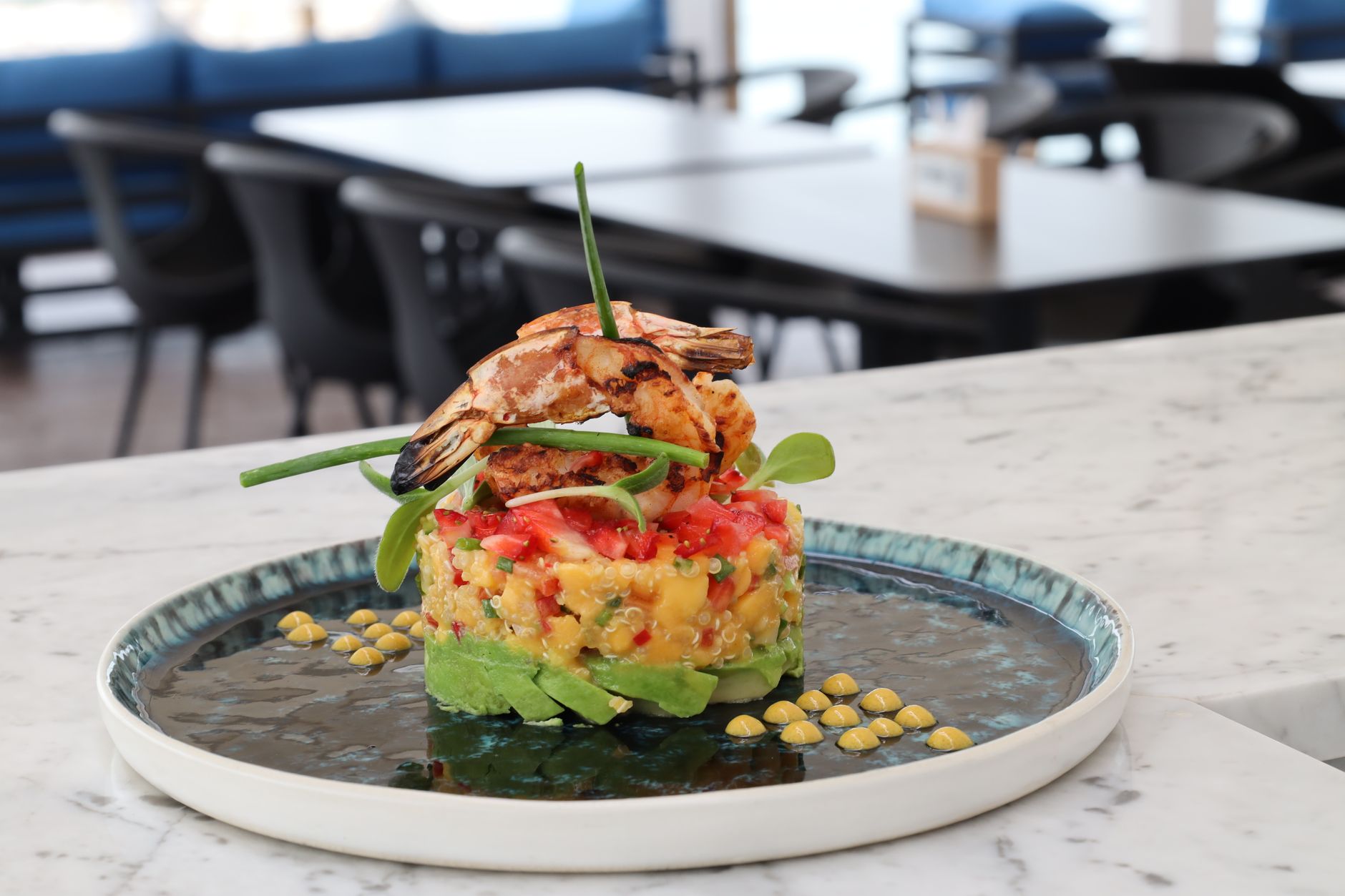
Avila Beach Hotel Restaurant sits directly on the beach in Willemstad. The restaurant serves fresh seafood with Caribbean and international flavors. Their grilled fish is exceptional. The beachside setting creates romantic evenings. Sunset dining here is memorable for all travelers.
Polvorín Restaurant occupies a historic building in Willemstad's historic center. The owner combines traditional recipes with modern techniques. Local artwork decorates the walls. Foodies appreciate the creative presentations and bold flavors. Reservations are essential on weekends.
Merengue Restaurant focuses on fresh local ingredients sourced daily. The chef changes the menu seasonally. You will find unexpected combinations of familiar flavors here. Couples love the intimate atmosphere. The wine selection impresses even experienced travelers.
Bario Restaurant celebrates Caribbean cuisine with flair. The kitchen staff prepares everything fresh to order. Local musicians perform on certain evenings. Families appreciate the welcoming atmosphere and diverse menu. Children find familiar options alongside adventurous dishes.
Mamasan's Restaurant serves Asian fusion inspired by the chef's travels. The kitchen blends Caribbean ingredients with Asian techniques. Fresh fish tacos and noodle dishes are crowd favorites. Casual diners enjoy the relaxed vibe. Foodies discover unexpected flavor combinations.
Dining Districts in Willemstad
The capital city of Willemstad has multiple dining neighborhoods. The downtown area near the Pontoon Bridge offers casual eateries and quick lunch spots. Otrobanda, the historic quarter, features restaurants in colorful colonial buildings. Punda contains upscale dining establishments and international cuisine. Each neighborhood offers different dining experiences.
Waterfront dining is popular throughout the city. Restaurants along the harbor take advantage of cooling breezes. Sunset views enhance the dining experience. You can walk between several restaurants in one evening.
PRO TIP: Make dinner reservations at upscale Curacao restaurants 24 hours ahead during peak season (January through April). Walk-ins may wait an hour or more.
Fine Dining in Curacao
Sunscape Restaurant offers the island's most upscale dining experience. The chef trained in European kitchens and brings international techniques home. Prix fixe menus change nightly based on market availability. The wine selection features Old World and New World bottles. Jacket recommended but not required. Foodies travel to this restaurant specifically.
Belmond Sunscape Curaçao includes an on-site fine dining restaurant. Ocean views accompany every course. The kitchen emphasizes presentation and flavor balance. Reservations required. The experience takes two to three hours.
Restaurant Kleine Wereld sits in a historic mansion with ocean vistas. The intimate setting accommodates only 20 guests per evening. The chef creates personalized menus based on preferences and allergies. This destination restaurant requires advance planning. Travelers often book months ahead.
Hilton Curacao Restaurant combines Caribbean and French influences. The dining room offers panoramic views of St. Anna Bay. Fresh seafood stars on every menu. The kitchen accommodates dietary restrictions with advance notice.
Fine dining restaurants in Curacao typically open from 6 PM to 10 PM. Dress codes vary but generally favor smart casual or dressy. Most restaurants close one day weekly, often Sundays or Mondays. Call ahead to confirm current hours and availability.
Special Dining Experiences
Beyond traditional restaurants, Curacao offers unique culinary experiences. Private chefs prepare meals at your villa or resort. Cooking classes teach local recipes to interested travelers. Sunset catamaran cruises include dinner service. Food tours guide foodies through markets and restaurants. Beach barbecues combine dining with ocean views and relaxation.
PRO TIP: Book fine dining experiences during your first or second day on the island, not the last day. This ensures your favorite restaurant has availability.
Budget Eating in Curacao
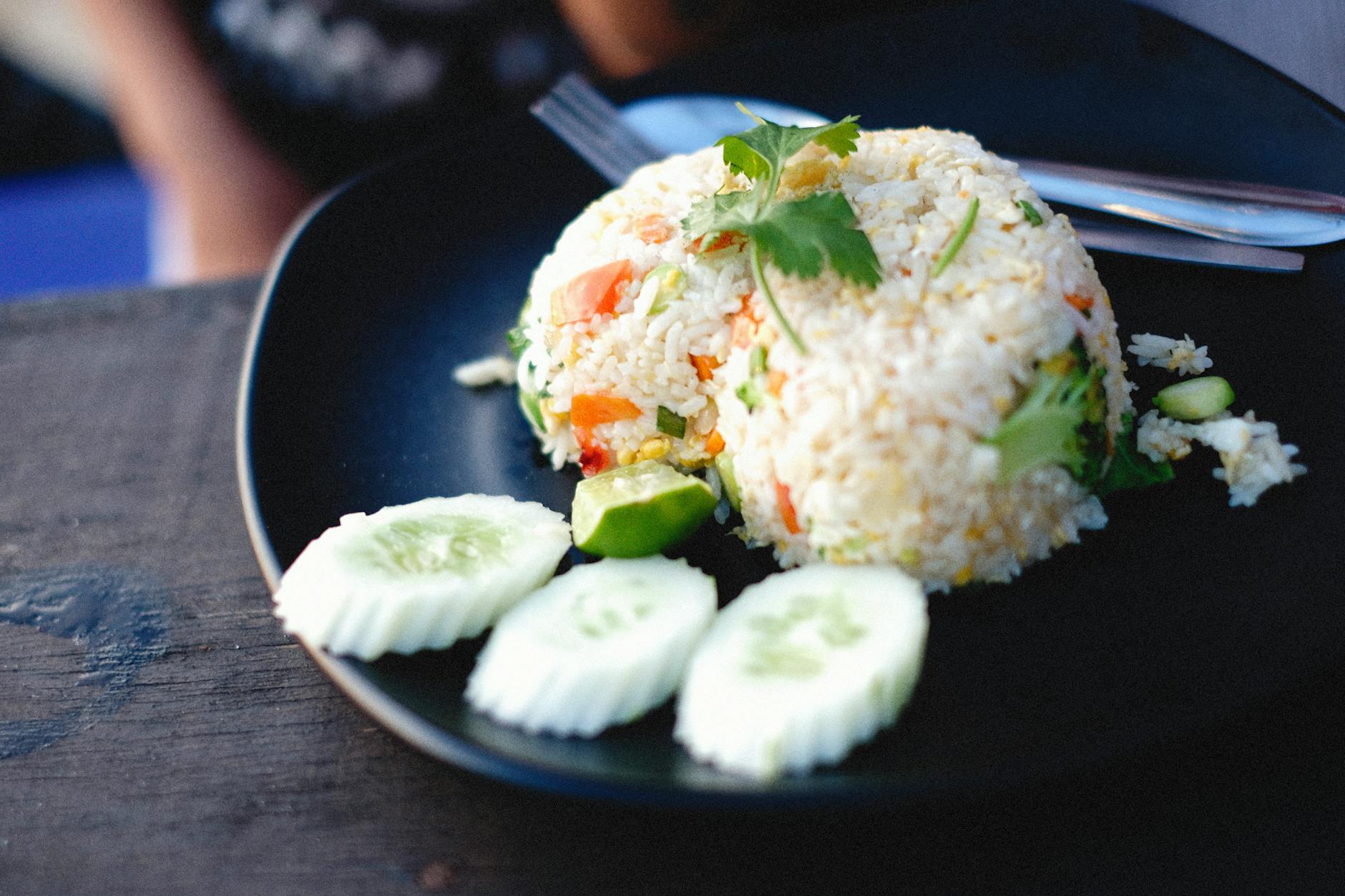
You can eat well in Curacao without overspending. Local restaurants outside tourist areas offer excellent value. Lunch is cheaper than dinner at most establishments. Many restaurants offer daily specials featuring local dishes.
Local Lunch Spots operate throughout Willemstad and other towns. These casual eateries serve rice, beans, stewed meats, and vegetables. Friendly staff often speak Papiamento and English. A full lunch costs less than 15 ANG. Locals eat at these restaurants daily, so quality and freshness are guaranteed.
Roti Stands sell wraps filled with meat, vegetables, and curry. These portable meals are perfect for busy days. Vendors set up carts near markets and office buildings. The food is hot, fresh, and inexpensive. Goat roti and chicken roti are most popular.
Supermarkets and Delis offer prepared foods and groceries. You can assemble your own meals from their selections. This strategy saves money for families staying longer. Look for stores like Jumbo and Pick Pack in Willemstad.
Happy Hour Specials at bars include discounted food and drinks. Most restaurants and bars offer happy hours from 4 PM to 7 PM. Appetizers and drinks cost 30 to 50 percent less. This timing works well for late lunch or early dinner.
All-Inclusive Resorts are budget-friendly for stays longer than three days. Meals, drinks, and entertainment cost one price. This removes daily decision-making about where to eat. Families with multiple children save significantly with all-inclusive options.
Tips for Budget Dining
Eat at local restaurants rather than hotel restaurants. Hotel restaurants charge tourist prices. Neighborhood spots serve authentic food for less. Ask hotel staff where they eat lunch. Their recommendations lead to genuine local places.
Buy drinks at markets rather than bars. Alcoholic beverages in restaurants cost significantly more. Local beer and rum are inexpensive when purchased at supermarkets. Tap water is safe throughout Curacao.
Lunch specials offer better value than dinner. Restaurants serve lunch from 11:30 AM to 2 PM. Prices drop considerably for midday meals. Dinner portions are often larger but cost more.
PRO TIP: Visit local markets in the morning when food is freshest. The Floating Market in Willemstad sells fresh vegetables and fish daily. Prices are lowest early in the morning.
Street Food and Local Markets
Floating Market operates daily in Willemstad's harbor. Venezuelan fishing boats tie up at the dock selling fresh produce and seafood. Vendors call out their goods in Spanish. Locals shop here before preparing family meals. You can buy fresh fish, tropical fruits, and vegetables directly from boats. Prices are lower than supermarkets. Go early morning for the best selection.
Pastechis and Fried Foods dominate street food culture. Vendors operate carts and small stalls throughout Willemstad. Pastechis filled with meat or cheese are ubiquitous. Fried fish cakes called bitterballen appear at many carts. Empanadas filled with seafood or vegetables satisfy quick appetites. These items cost just a few ANG each.
Grilled Meats sizzle on sidewalk grills throughout the island. Goat and chicken are most common. Vendors serve grilled meat with bread and hot sauce. The smoke and aroma draw crowds of hungry diners. This is authentic street food prepared in plain sight.
Tropical Fruits vary seasonally. Vendors sell mangoes, papayas, plantains, and coconuts. Fresh coconut water straight from the nut is refreshing. Fruit juices and smoothies are available from carts. These drinks are cold and perfect for the 28.5°C heat.
Pan Bati is a fried cornmeal bread sold from street stalls. Vendors serve it with cheese or meat fillings. This traditional dish appears at every market. Locals eat it for breakfast or snacks.
Market Etiquette and Tips
Haggling is acceptable at markets but not aggressive. Polite negotiation shows respect. Dress simply when shopping markets. Wear comfortable shoes for walking uneven surfaces. Bring cash, as most street vendors don't accept cards.
Visit markets early morning between 7 AM and 10 AM. Selection is best, and crowds are smaller. Prices drop near closing time as vendors discount unsold items. Weekend markets are busier and livelier than weekdays.
Sample food before committing to full portions. Vendors expect questions about ingredients and preparation. Don't eat at stalls that lack proper food handling. Choose vendors with high customer turnover and fresh-looking food.
Food Allergies and Dietary Needs
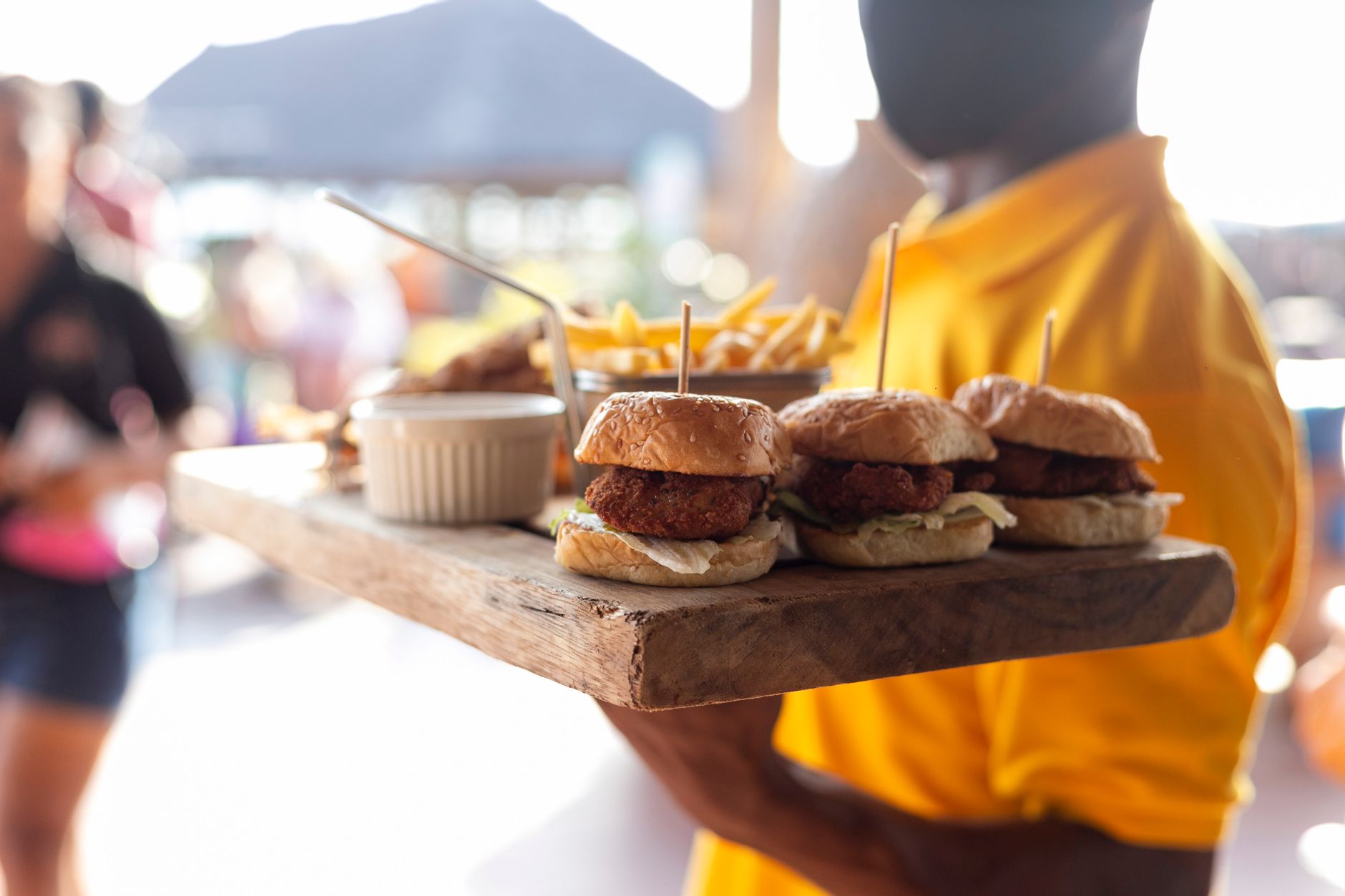
Curacao accommodates most dietary restrictions, but communication is essential. Learn key phrases in Papiamento or Spanish. Written ingredient lists help if verbal explanation fails. Upscale restaurants handle special requests better than casual spots.
Vegetarian and Vegan Options are increasingly available but require requesting them. Traditional Curacao cuisine centers on meat and fish. Many restaurants offer vegetable dishes upon request. Rice and beans, funchi, and grilled vegetables are naturally vegan-friendly. Fine dining restaurants create vegetarian tasting menus with advance notice.
Seafood Allergies require special attention since seafood dominates menus. Cross-contamination can occur in kitchen spaces. Inform servers immediately about severity. Steak, chicken, and pork are safe alternatives. Specify "no fish" in your home language and have restaurant staff confirm understanding.
Nut Allergies are common in tropical regions where nuts grow abundantly. Many desserts and sauces contain nuts. Always ask about ingredients. Tropical fruits may be processed in facilities handling nuts. Read labels carefully when buying snacks at markets.
Gluten-Free Dining is possible but challenging. Traditional breads contain gluten. Ask servers about rice-based dishes and naturally gluten-free options. Bring gluten-free snacks as backup. Supermarkets carry some gluten-free products in tourist areas.
Halal and Kosher Meals are rarely available at standard restaurants. Request these at luxury hotels with advance notice. Certain Middle Eastern and Jewish restaurants operate in Willemstad but require research. Contact the Tourism Board for current lists of certified restaurants.
Communicating Dietary Needs
Download a translation app for your smartphone. Photograph your allergy card in multiple languages. Show the card to servers and kitchen staff. Email restaurants ahead of visits to allow preparation time. Carry safe snacks for emergencies.
Stay at accommodations with kitchen facilities if dietary restrictions are severe. This gives you control over meals. Shop at supermarkets for familiar products. Many vacation rental homes include fully equipped kitchens.
PRO TIP: Download the Google Translate app and save key phrases offline. Service in Curacao restaurants is generally patient with language barriers when you communicate respectfully.
Frequently Asked Questions
What Is the Best Time To Visit Curacao for Dining Experiences?
January through June offers the best weather and most vibrant dining scene. During these months, restaurants operate with full menus and extended hours. The dry season means outdoor dining is comfortable. Tourist season peaks from January to March, so popular restaurants fill quickly. Book reservations well in advance during these months. July through December brings occasional rain, but fewer tourists mean easier restaurant access and more relaxed atmospheres.
Is Street Food in Curacao Safe To Eat?
Yes, street food is generally safe when purchased from busy vendors. Look for carts with high customer turnover, indicating fresh food. Avoid stalls with food sitting uncovered for hours. Watch the vendor prepare your meal. If food is cooked fresh to order, it is safe. Avoid pre-made items left sitting unrefrigerated. Your stomach may need adjustment to new bacteria, so start with light meals. Drink bottled water rather than potentially contaminated tap water at street stalls.
How Much Should I Budget Daily for Food in Curacao?
Budget varies greatly by dining style. Street food and casual eateries cost 10 to 25 ANG per meal. Mid-range restaurants average 40 to 75 ANG per entree. Fine dining costs 100 to 200 ANG or more per person. A traveler eating street food for lunch and casual restaurants for dinner might spend 50 to 100 ANG daily. Families should budget higher for multiple meals. All-inclusive resorts fix dining costs upfront, removing daily budgeting needs.
Do Curacao Restaurants Accept Credit Cards?
Most established restaurants and hotels accept credit cards. Street vendors, markets, and small eateries typically require cash only. ATMs are widely available throughout Willemstad. The local currency is Netherlands Antillean guilder (ANG). Many restaurants accept US dollars at variable exchange rates, but local currency offers better value. Inform your bank of travel dates to avoid card blocks. Carry cash for markets and street food, and cards for restaurants and hotels.
What Is the Dress Code for Curacao Restaurants?
Dress codes vary by restaurant type. Casual restaurants welcome beach attire and shorts. Mid-range restaurants prefer neat casual clothing. Fine dining establishments request smart casual or dressy attire. Men should wear dress pants and closed-toe shoes. Women should avoid overly casual beachwear. Jackets are rarely required but add polish to fine dining experiences. Ask your hotel concierge about specific dress codes when making reservations. Curacao has a relaxed island culture, so standards are less formal than mainland cities.