Last updated:
Best Areas To Stay in Curacao
Curacao offers several excellent neighborhoods for visitors. Each area has its own character and appeal. Willemstad, the capital, combines history with modern amenities. The waterfront areas feature colorful architecture and local food-restaurants. Beach communities like Mambo Beach and Blue Bay offer direct sand access.
The island spans 444 square kilometers, so location matters for your experience. Northern coastal areas feel quieter and more residential. Southern zones tend to attract more tourists and offer more services. Consider your priorities when choosing where to stay on a Curacao beach.
Spanish Water sits on the eastern side of the island. This area works best for travelers seeking calm, protected waters. The beaches here remain less crowded than popular tourist zones. Accessibility to Curacao International Airport takes about 30 minutes by car.
Piscadera offers mid-range options between town and beach life. You get convenience without sacrificing peace and quiet. This neighborhood appeals to couples and small families. Several good restaurants and shops are within walking distance.
Best Beach Areas in Curacao
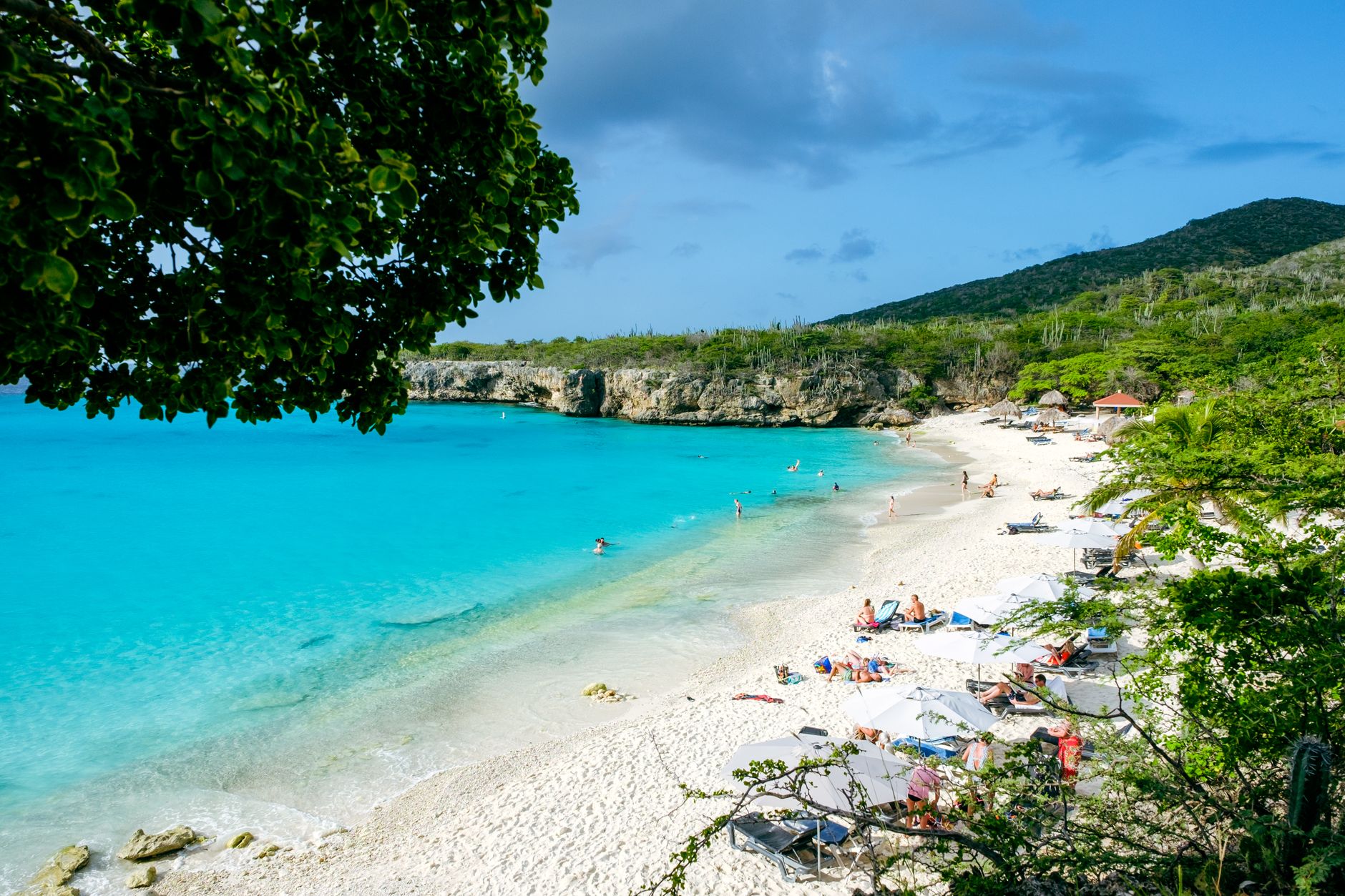
Mambo Beach ranks among the most popular spots on the island. The beach stretches wide and welcomes swimmers of all ages. Restaurants line the shore, making meals convenient and scenic. Evening crowds gather here for live music and dancing.
Blue Bay Beach sits near town with easy access to restaurants and shops. The water remains calm and perfect for young children. Facilities include restrooms and changing areas. Vendors sell snacks and beach items throughout the day.
Kleine Knip and Grote Knip beaches appeal to visitors seeking natural beauty. These beaches remain more secluded than commercial areas. Arrive early to secure parking spots. The water here supports excellent snorkeling and diving opportunities.
Sunscape Beach provides a family-friendly environment with clear waters. The sand stays relatively uncrowded even during peak season. A reef system runs near the shore, perfect for underwater exploration. Bring water shoes to protect feet from sharp rocks.
Bapor Beach offers a unique swimming experience near a shipwreck. History buffs enjoy exploring the old vessel. Water clarity allows safe diving to moderate depths. Local guides often provide historical context about the wreck.
PRO TIP: Visit beaches early morning (7-9 AM) to find parking easily and enjoy calmer crowds. Bring reef-safe sunscreen to protect the local marine environment.
Town Center Vs Beach: Which Is Better
Willemstad town center offers authentic island culture and history. You walk among colonial architecture painted in vibrant colors. Museums, galleries, and cultural sites surround you. Local markets provide genuine food experiences. This location works well for travelers interested in history and culture.
Town center stays cost less than beachfront properties. Budget travelers find better value in the downtown area. Public transportation connects easily to beaches from here. You avoid paying premium prices for oceanfront views.
Beach locations provide direct water access and vacation relaxation. Waking to ocean breezes beats city noise every time. Families appreciate having sand steps away from accommodations. Children can play safely with parents watching from nearby.
Beach areas offer sunset views and evening water activities. Restaurants here focus on seafood and casual dining. The atmosphere feels more resort-like than urban. Couples enjoy romantic evenings overlooking the water.
Choose town center if you value culture, history, and budget savings. Pick a beach area if relaxation and water activities matter more. Many travelers split their stay between both locations. A 5-7 day trip allows visiting both neighborhood types comfortably.
Transportation between locations takes 10-20 minutes by car. Taxis charge reasonable rates for short trips. Car rentals provide freedom to explore both areas daily. Public buses run regularly but operate on relaxed island schedules.
Where To Stay in Curacao on a Budget

Budget accommodations exist throughout Curacao for smart travelers. Guesthouses offer clean rooms without expensive resort fees. These family-run properties provide authentic local experiences. Owners share island knowledge and restaurant recommendations freely.
Piscadera and Otrobanda neighborhoods offer good budget options. These areas remain close to beaches but cost significantly less. You find local eateries serving traditional Curacao cuisine. Markets sell groceries for preparing simple meals in your room.
Apartment rentals work well for extended stays and families. Many include kitchenettes for preparing breakfast and lunch. Sharing accommodations between two couples reduces per-person costs. Weekly rental discounts add further savings.
Seek accommodations slightly inland from the beach. Ocean views cost extra, and you don't need them constantly. A five-minute walk reaches many good beaches anyway. Staying one block away saves 30-40% versus beachfront.
Travel during shoulder months (April, May, June) for lower rates. These months offer excellent weather without peak season pricing. Fewer crowds mean better experiences at attractions anyway. Hotels offer promotional rates when tourism dips slightly.
Book directly with guesthouses to avoid commission fees. Many small properties offer email bookings without using platforms. You might negotiate weekly rates for longer stays. Building personal relationships with hosts often leads to local discounts.
PRO TIP: Use local currency (Netherlands Antillean guilder) at small businesses for better rates than credit cards. Taxi drivers accept both currencies but might quote higher prices for tourists.
Luxury Areas in Curacao
Luxury accommodations cluster in specific high-end neighborhoods. Sunscape Curacao and similar resorts define this segment. These properties feature multiple pools, fine dining, and spa services. All-inclusive packages simplify vacation planning and budgeting.
The western coast near Bapor offers premium resort experiences. Hilton Curacao and comparable properties dominate this area. Ocean-facing suites provide stunning sunset views nightly. Room service and concierge handle any request.
Mambo Beach attracts upscale visitors seeking beachfront luxury. High-end restaurants and bars line the shore. Boutique shopping and spa services cater to discerning travelers. The atmosphere balances activity with sophistication.
Luxury travelers enjoy personalized service and attention. Small boutique hotels provide better customization than large chains. Many offer private beach access and exclusive amenities. These properties create memorable experiences beyond standard hotel services.
Consider villa rentals for groups and extended stays. Private properties offer full kitchens and multiple bedrooms. Some include daily housekeeping and staff services. Renting villas often costs less per person than individual hotel rooms.
Blue Bay Resort sits within walking distance of excellent restaurants. The property features multiple pools and beach access. Rooms include modern amenities and ocean views. Guests enjoy complimentary water sports like paddleboards and snorkels.
Where To Stay in Curacao With Kids

Family-friendly beaches make Curacao ideal for traveling with children. Blue Bay and Mambo Beach offer calm waters and facilities. Lifeguards watch over swimming areas. Nearby restaurants serve kid-approved foods alongside local specialties.
All-inclusive resorts simplify family vacations significantly. Children eat freely at multiple restaurants. Entertainment programs keep kids engaged while parents relax. Water sports instructors teach safe snorkeling and diving basics.
Piscadera works well for families seeking convenience over luxury. The area has supermarkets for snacks and groceries. Medical facilities are nearby if needed. Beaches within short drives offer variety without exhausting travel time.
Book accommodations with kitchenettes to prepare simple meals. Young children have limited menus sometimes, so cooking helps. You save money on restaurant meals for multiple family members. Kitchens provide convenient baby food preparation areas.
Spanish Water offers extremely calm, shallow waters perfect for toddlers. The protected bay rarely experiences strong waves. Your children build confidence in the water naturally. Parents relax knowing the environment prioritizes safety.
Choose locations near hospitals and medical clinics. Most family vacations remain problem-free, but preparation matters. Curacao has good medical facilities in Willemstad. Pharmacies throughout the island stock common medications.
Pack reef-safe sunscreen for all family members. The tropical sun causes quick burns even on cloudy days. Children's sensitive skin needs highest SPF ratings. Apply sunscreen every two hours, especially after swimming.
Bring water shoes for rocky beach areas and reef zones. Coral and sharp rocks can cut feet quickly. Children's feet remain more sensitive than adults. Quality water shoes let kids explore safely.
PRO TIP: Visit Ostrich Farm near Willemstad for a unique family activity. Children feed animals and learn about island wildlife. The experience costs little and creates lasting memories. Most accommodations arrange transportation easily.
Frequently Asked Questions
What Is the Best Time To Visit Curacao Beaches?
The best months are January through June when temperatures stay comfortable and rainfall remains minimal. During this period, the average temperature stays around 28.5°C, perfect for beach activities and water sports. July through December brings slightly more rain, though Curacao remains relatively dry year-round. Hurricane season peaks in September and October, so avoiding these months is wise. Booking accommodations during shoulder months (April, May, June) offers better prices while maintaining excellent weather conditions for beach enjoyment.
Do I Need a Visa To Visit Curacao?
Most nationalities enter Curacao visa-free for tourism purposes. The Kingdom of the Netherlands welcomes visitors for up to 90 days without advance visa approval. You may need to complete a digital immigration card upon arrival, though requirements change occasionally. Check current regulations with your embassy before traveling. Ensure your passport remains valid for at least six months beyond your travel dates. Having proof of return travel and sufficient funds helps smooth customs procedures.
Which Neighborhood Offers the Best Balance of Beach Access and Affordability?
Piscadera provides excellent balance between beach proximity and reasonable pricing. Located between Willemstad and major beach areas, this neighborhood offers mid-range accommodations without inflated beachfront costs. You can reach quality beaches within 10-15 minutes. Local restaurants serve authentic cuisine at fair prices. Supermarkets and shops allow purchasing supplies without visiting tourist areas. The quieter atmosphere appeals to families and couples seeking relaxation without resort crowds and associated expense.
Are There Good Snorkeling Opportunities Near Accommodations?
Yes, many Curacao beaches offer excellent snorkeling right offshore. Kleine Knip and Grote Knip beaches feature accessible reef systems. Bapor Beach provides historic wreck exploration alongside reef snorkeling. Most accommodations provide snorkel gear or arrange rentals. The island's scuba diving reputation extends to snorkeling as well, making it perfect for all water experience levels. Book accommodations near these beaches to maximize snorkeling access without exhausting daily travel time.
What Currency Should I Bring To Curacao?
The Netherlands Antillean guilder (ANG) serves as the official currency. ATMs throughout the island dispense local currency easily. Major credit cards work at hotels and restaurants, though small vendors prefer cash. Exchange rates vary between ATM withdrawals and currency exchange services, typically favoring ATMs. Bring a modest amount of home currency for initial expenses, then withdraw guilders locally. Budget accommodations and local markets offer slightly better prices when paying in cash rather than credit cards.